

Best Time to Visit Fiji: When to Go for the Perfect Fiji Holiday
A Fiji holiday represents the ultimate tropical escape. It is close enough for a direct flight from major hubs like Sydney, Melbourne, Brisbane, Canberra and Cairns, yet far enough to feel an ocean away from the daily grind. If you’re planning a romantic getaway, a diving expedition, or browsing all-inclusive Fiji holiday packages for a family break, timing is everything.
Deciding when to go to Fiji depends entirely on your personal travel style, budget, and holiday preferences. Understanding seasonal shifts helps you match your itinerary to the perfect island conditions.
Understanding Fiji’s Two Main Seasons
Fiji enjoys a beautiful tropical marine climate year-round, but its weather pattern is broadly divided into two distinct periods: the dry season and the wet season. Knowing how the Fiji weather shifts between these two ensures you pack correctly and set the right expectations for your trip.
The Dry Season (May to October)
Considered the best time to visit Fiji for classic outdoor activities, the dry season brings lower humidity, minimal rainfall, and beautifully clear skies. Typical daytime temperatures hover around a comfortable 26°C to 27°C, dropping to a refreshing 19°C to 20°C at night. Steady trade winds keep the air moving, preventing that sticky, heavy feeling. Water temperatures remain highly inviting at around 25°C to 26°C, making it peak time for swimming and aquatic adventures.
The Wet Season (November to April)
The wet season (or tropical summer) brings warmer temperatures (frequently reaching 30°C or higher) alongside increased humidity and tropical downpours. While it sounds intense, rain often falls heavily overnight or in brief afternoon bursts, leaving plenty of daylight sunshine to enjoy. Ocean water temperatures also peak at a balmy 28°C.
Cyclone Season Awareness
November to April is cyclone season in the South Pacific. While severe weather systems can occur, modern tracking is exceptional, and island resorts are fully equipped to handle tropical conditions safely. Fiji remains a vibrant, year-round destination with plenty of tropical warmth to offer even during these summer months.
The Shoulder Season Advantage: May and November
If you want the ultimate balance of good weather and excellent value, look closely at the shoulder months of May and November.
- May: This beautiful transition month marks the beginning of the dry season. The landscapes are lush and vibrant after the summer rains, the trade winds are just picking up, and the heavy winter crowds have not yet arrived. It is a fantastic window to lock in flexible resort options or cheaper flight prices.
- November: As the transition into the wet season, November brings a slight rise in humidity but rewards travellers with hot, sunny days, quieter resorts, and highly competitive package rates.
Your Travel Calendar According To Your Preference
Here is a breakdown of the best months to visit Fiji based on what matters most to your itinerary.
Chasing Flawless Weather (July to September)
This is the absolute peak of the dry season. If your dream holiday involves clear blue skies, minimal rain, and low humidity, this is the time to go. It’s ideal for sun-seekers who want guaranteed pool and beach days.
Beating the Crowds (February to March, May, October to November)
Traveling outside of the main Australian school holiday windows means quieter beaches, empty resort pools, and a more relaxed island pace. You will get to experience the famous Fijian hospitality with a much more intimate feel.
Scoring Cheaper Prices (February to March)
Travel demand drops during the wetter months, resulting in the lowest prices of the year. For budget-conscious travellers, this is the prime window to find incredible flight deals and heavily discounted resort stays.
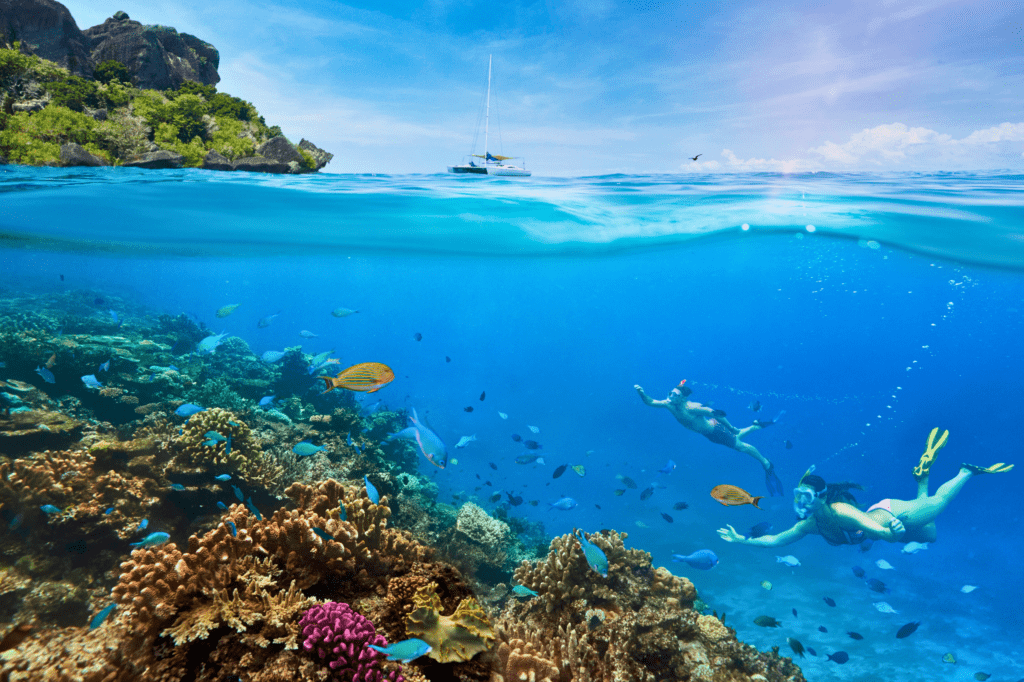
Snorkelling and Diving (May to October)
The dry season brings optimal underwater visibility, sometimes exceeding 30 metres. Because there is minimal stormwater run-off during these months, the coral reefs are crystal clear, making it a dream period for exploring Fiji’s world-famous marine life.
Surfing the Big Breaks (May to August)
Southern Hemisphere winter swells generate consistent breaks along the outer reefs. If you are looking to tackle iconic waves like Cloudbreak, this windy, high-swell window is your sweet spot.
Hiking and Nature Adventures (May to June)
If you want to explore Fiji’s lush interior, national parks, and hidden waterfalls, aim for the start of the dry season. The cooler daily temperatures make trekking much more comfortable before the landscape dries out later in the year.

Family Holidays (June to August, December to January)
These months align perfectly with major Australian school holiday periods. While the resorts are busier, this is when they ramp up their kids’ clubs, daily activities and family-focused entertainment programs to keep everyone happy.
Regional Weather: How It Changes Across the Islands
Fiji’s geography means that weather conditions can vary quite a bit between the mainland of Viti Levu and the outer island groups.
Denarau and Nadi
Located on the western side of the main island, this region is generally drier and sunnier than the eastern side. It is highly accessible and acts as a central hub for top-tier mainland resorts, making it a great choice for a smooth, low-stress stay. ,
The Mamanuca and Yasawa Islands
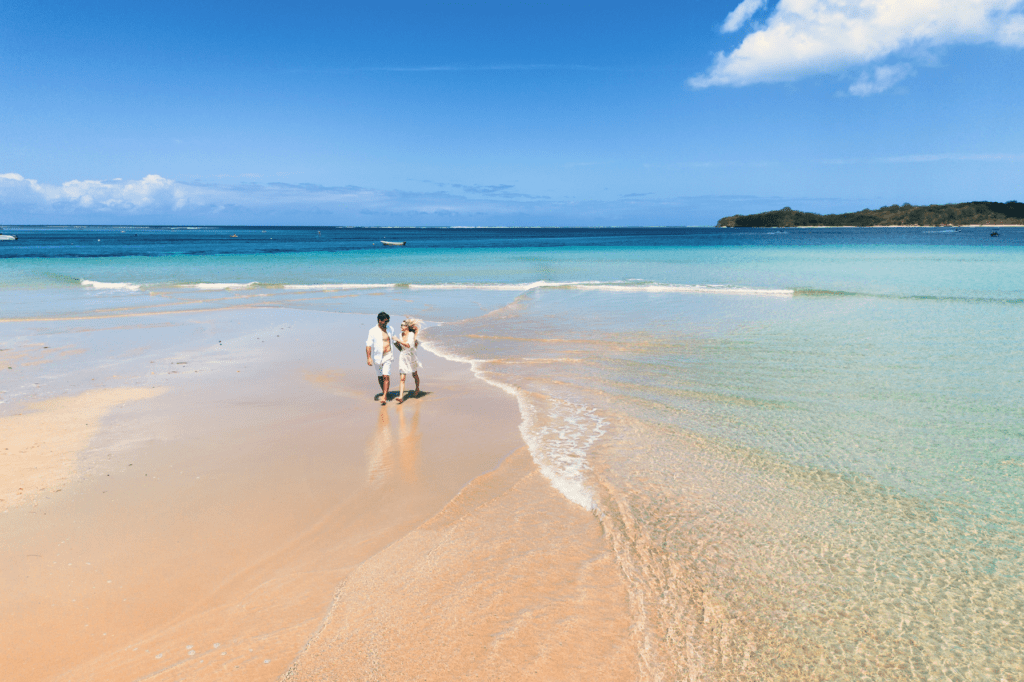
These outer island chains sit in a distinct microclimate that receives less annual rainfall than the mainland. If you are chasing picture-postcard imagery of uninterrupted sunshine, white sand beaches, and clear turquoise water, taking a short boat ride or seaplane flight out here is your best bet.
The Coral Coast
Located on the southern coast of Viti Levu, this lush region features dramatic coastlines and receives slightly more rain, which keeps the rainforest vibrant and green. It is home to iconic beachfront properties that offer incredible cultural depth, like traditional fire-walking ceremonies, without requiring outer-island transfers.
Planning the Ultimate All-Inclusive Fiji Holiday
No one wants to spend their time in paradise doing currency conversions or stressing over the price of a poolside lunch. Choosing an all-inclusive path is the smartest way to manage your budget. By bundling your flights, transfers, accommodation, and meals upfront, you remove the usual headaches and can focus entirely on the scenery.
When you book through Hoot Holidays, you can select from exceptional all-inclusive structures tailored to your needs, for example:
- Radisson Blu Resort Fiji (Denarau): A favourite for convenience and impressive lagoon pools, their all-inclusive options frequently bundle buffet breakfasts, multi-course lunches, and dinners. Families love the free-flow beverage window (typically running from 11 am to 9 pm) covering local beers, wine, and non-alcoholic refreshments.

- Shangri-La Yanuca Island Fiji (Coral Coast): This stunning property occupies its own private island connected by a causeway, offering a sense of total seclusion. Their comprehensive packages provide full-board meals, a dedicated beverage window from 12 pm until 10 pm, and complimentary access to their inflatable waterpark and the Little Chiefs kids club.
Let Hoot Holidays Take You to Paradise
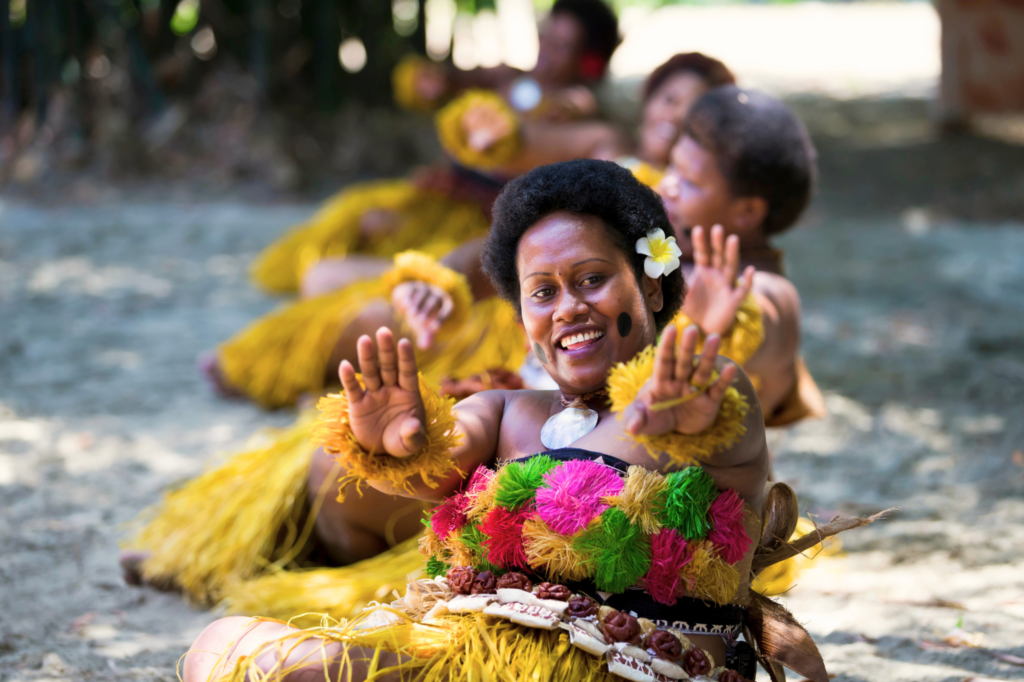
Finding the best time to visit Fiji is all about aligning the local climate with your dream travel style. Whether you want to witness a traditional Meke performance in the dry winter months, surf the outer reef breaks, or simply relax poolside with a cocktail, Fiji welcomes visitors with tropical warmth all year round.
At Hoot Holidays, we specialize in taking the guesswork out of your travel planning. Our team helps you secure the best value by bundling flights, transfers, and accommodation into one seamless package.
Ready to turn your island dreams into reality? Explore our latest Fiji holiday offers today and let us handle the logistics while you get ready to relax.