

Your First Vietnam Holiday: A Travel Guide
Vietnam is a destination that captures the heart from the very first “Xin Chao.” For many Australians, it is the quintessential choice for a first overseas adventure. It is relatively easy to travel to, incredibly affordable, and offers a beautiful balance of high-octane city energy and serene, postcard-perfect coastal relaxation.
Whether you are looking for a deep dive into ancient history or a cocktail-in-hand beach break, this Vietnam travel guide will help you navigate the essentials for a seamless first trip to the land of the Ascending Dragon.
Why Vietnam is Ideal for First-Timers
For an Australian traveller, Vietnam offers a unique combination of exotic flair and comforting accessibility. It is a place where you can step out of your comfort zone without feeling overwhelmed. One of the biggest draws is the genuine warmth of the Vietnamese people. Hospitality is a cultural cornerstone here. You will find that locals are often eager to share a story or a smile, creating a “home away from home” atmosphere that is perfect for those who are new to international travel.
Logistically, Vietnam is a dream for beginners. The country is well-connected with a modern network of domestic flights and accessible transport apps that make navigating cities like Hanoi or Ho Chi Minh City surprisingly easy. Then there is the undeniable factor of value. Your Australian dollar goes exceptionally far here, allowing you to enjoy high-end dining, Vietnam all-inclusive escapes, and private tours that might be out of reach in other parts of the world. It is a destination where you can fully enjoy your surroundings on a modest budget, making it the perfect entry point into the wonders of Southeast Asia.
Regional Guide: Where to Go and When
Vietnam is essentially three distinct experiences in one country. Because it stretches over 1,600 kilometres, the climate and culture vary significantly from the North to the South. Most first-timers choose to focus on one that suits their personal travel style.
Northern Vietnam: The Soulful Heart
Northern Vietnam is home to Hanoi, the thousand-year-old capital. It is a place of moody, atmospheric charm. Expect French-colonial architecture, ancient temples, and a cooler climate that occasionally requires a light jacket.
A visit to the North is not complete without exploring the Old Quarter of Hanoi, where the streets are named after the goods historically sold there. Beyond the city, the North offers the ethereal beauty of Ha Long Bay and the emerald-green rice terraces of Sapa. This region is perfect for those who love history, coffee culture, and dramatic, mountainous landscapes.
Best Time to Visit the North
The ideal time to visit is October to April. The weather is cooler and much less humid during these months, making it perfect for trekking and sightseeing. It is often best to avoid the months from May to September, as you will likely encounter high humidity with heavy rain.
Central Vietnam: Beaches and Heritage
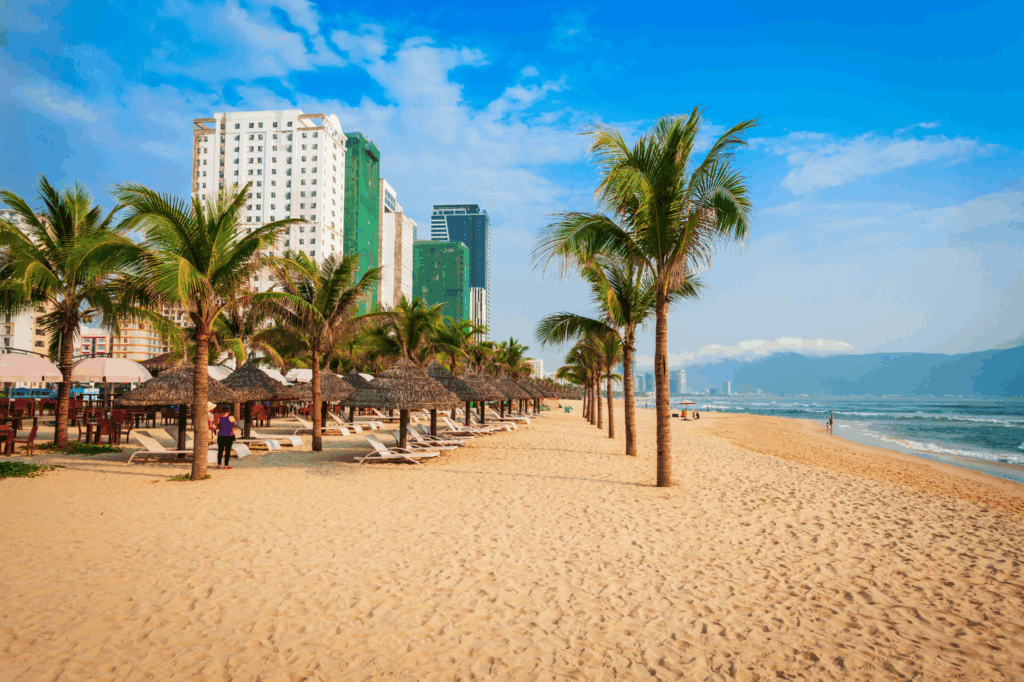
Central Vietnam is the perfect “best of both worlds” destination. This region is anchored by the coastal city of Da Nang and the nearby town of Hoi An. It is world-renowned for its stunning white-sand beaches, such as My Khe, and its incredible UNESCO World Heritage sites.
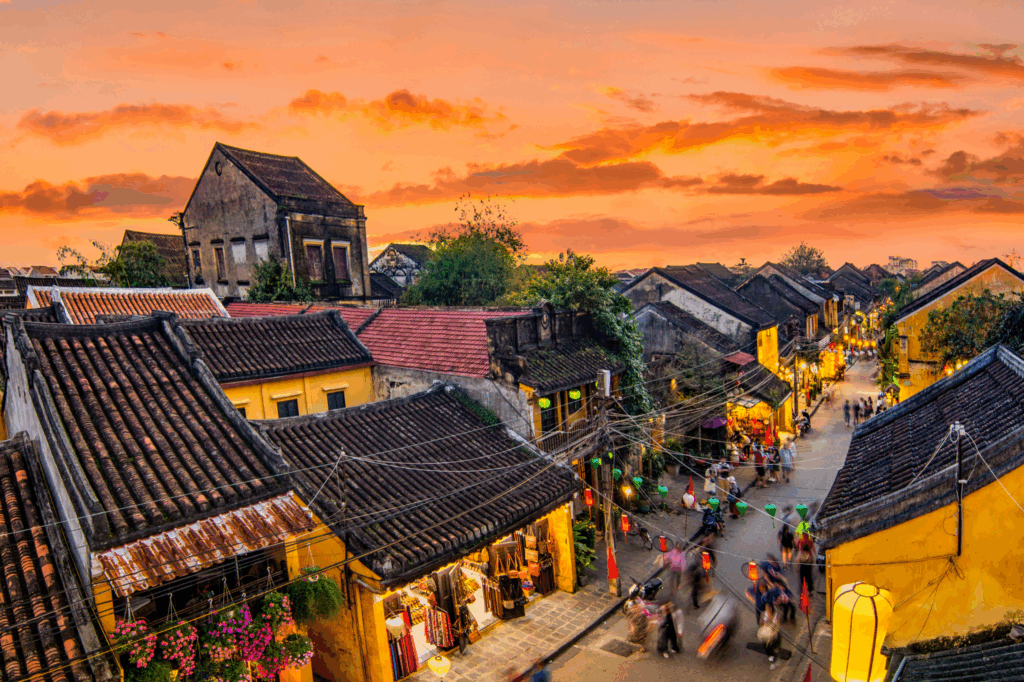
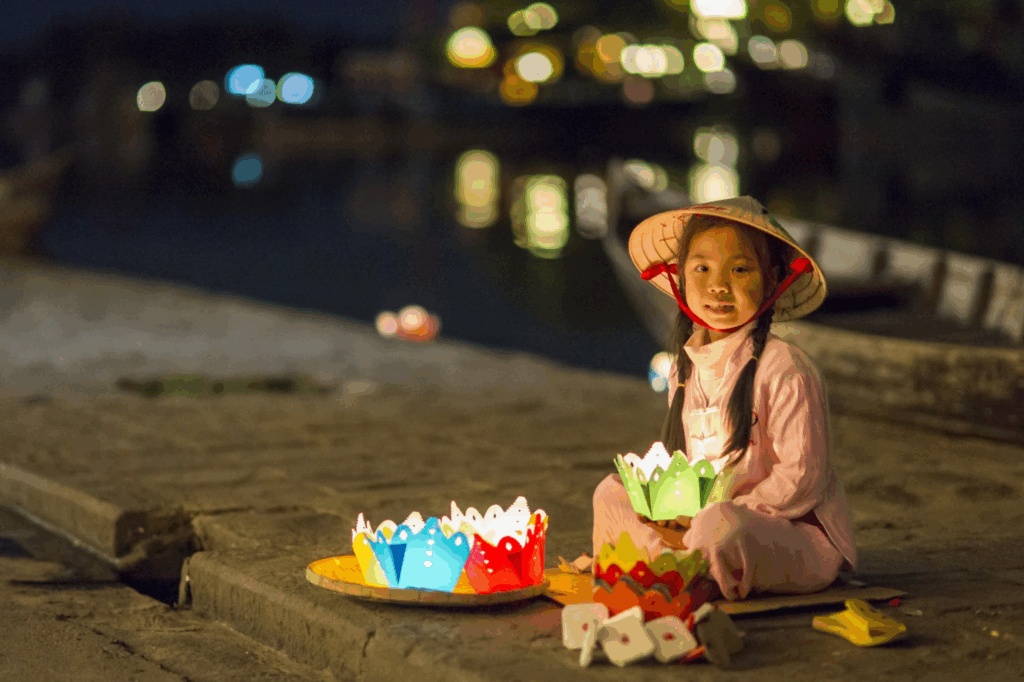
Hoi An is a must-see for its preserved Ancient Town, where motorized vehicles are banned and yellow-walled buildings are draped in colourful lanterns. Meanwhile, the nearby imperial city of Hue offers a glimpse into Vietnam’s royal past with its sprawling Citadel. If you want a holiday that balances world-class resorts with easy access to culture and high-end tailoring, this is the region for you.
Best Time to Visit Central Vietnam
If you’re looking to visit Central Vietnam, including destinations like Hue, Da Nang, and Hoi An, aim to travel between February and May. During this window, rainfall is moderate and temperatures are warm but not scorching, great for beach trips! You should be aware that from late May to November, the region faces typhoon season, which, naturally, can interrupt any outdoor plans.
Southern Vietnam: Energy and Evolution
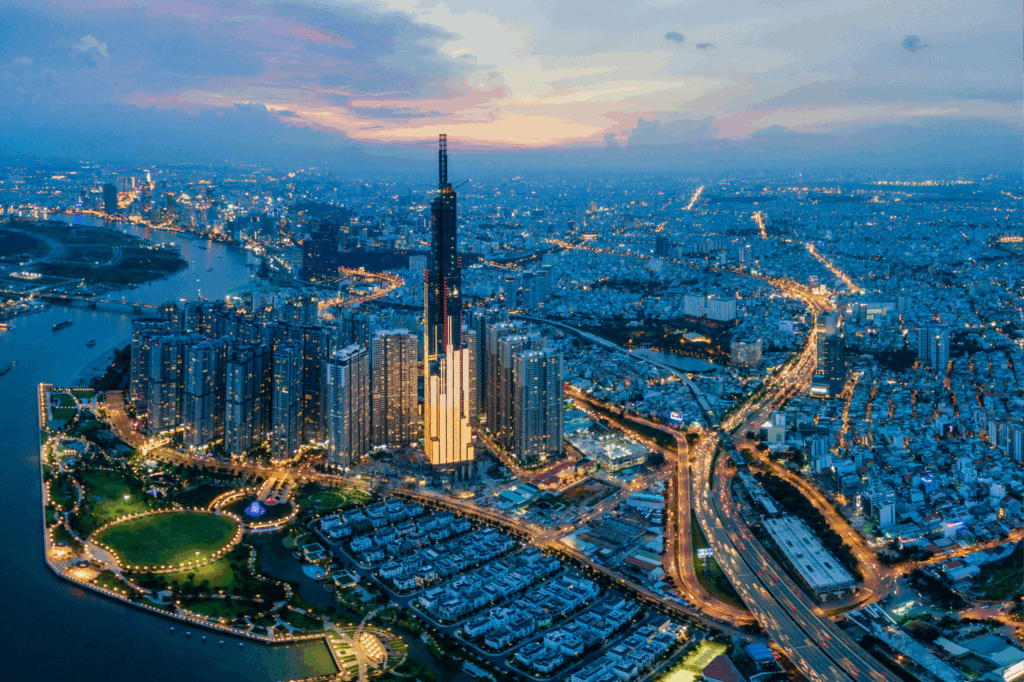
Southern Vietnam is a high-octane powerhouse. Ho Chi Minh City (formerly Saigon) is a metropolis where gleaming skyscrapers sit alongside humble street food stalls. It is a city that never seems to sleep, and the energy is infectious.
The South is also the gateway to the Mekong Delta, a vast maze of rivers, swamps, and islands home to floating markets and lush fruit orchards. It is generally warmer and more tropical than the North, making it a great year-round destination for sun-seekers. If you love a fast-paced city vibe followed by a relaxing river cruise, the South will not disappoint.
Best Time to Visit the South
The most favourable time for travel is from December to April. This allows you to enjoy the tropical climate while avoiding the monsoon season. These dry months are excellent for exploring urban areas, rivers and visiting tropical forests. Conversely, the period from May to November brings the monsoon season, which is less ideal for comfortable exploration.
Essential Tips on Money, Safety and Cultural Practices
Currency
The official currency is the Vietnamese Dong (VND). Because the numbers are so large, it can be a little confusing for Australians at first. As a rough rule of thumb, $1 AUD is usually worth around 16,000 to 17,000 VND. Naturally, exchange rates will fluctuate so it would be best practice to keep updated and make note of any changes in rates leading up to your trip.
While you can exchange money at Australian airports, you will often get a better rate once you are in Vietnam. Most travellers use the ATMs, which are found everywhere in major cities. Alternatively, you can take crisp, clean AUD or USD notes to a local bank or a reputable gold shop in the city markets (a common local practice for better rates). Credit cards are widely accepted in resorts and large malls, but cash is still king at street food stalls and markets.
Safety
Vietnam is generally a very safe destination for Australian tourists. Violent crime is extremely rare. The main thing to be mindful of is petty theft, like bag snatching in crowded areas of Ho Chi Minh City. Keep your phone and wallet secure, and avoid wearing flashy jewellery in busy markets.
The biggest “danger” you will likely face is crossing the road! In Vietnam, traffic flows like a river. The trick is to walk at a steady, predictable pace across the street. Motorcyclists will calculate your speed and move around you. Do not stop or run suddenly, as this makes it harder for them to predict your movement.
On food safety: always stick to bottled water (even for brushing your teeth, especially if you have a sensitive stomach).
For street food, do not be shy! Look for stalls with high turnover. If the food is being cooked fresh and steaming hot right in front of you, it is generally safe and will likely be the best meal of your trip.
Cultural Etiquette: Being a Respectful Guest
Vietnam is a deeply respectful society rooted in Confucian values. Following a few simple “dos and don’ts” will go a long way in making connections with the locals:
- Dress for the Occasion: We all love our thongs and singlets, but when visiting temples or pagodas, you must cover your shoulders and knees. Carrying a light sarong in your bag is a great pro tip for these moments.
- The “Head and Feet” Rule: The head is considered the most sacred part of the body, while the feet are the lowest. Avoid touching anyone on the head (even kids) and never point the soles of your feet toward people or sacred Buddha statues.
- Using The Right Hand Or Both Hands: When giving or receiving anything, from your credit card to a bowl of Pho, use your right hand or both hands. It is a subtle gesture that signals you are present and respectful.
- Communal Dining: Vietnamese meals are usually family-style. Use the “serving” end of your chopsticks or the provided spoons to take food from the shared plates. Also, never leave your chopsticks sticking vertically out of a bowl of rice, as this resembles incense burnt for the deceased.
- Keep Your Cool: The concept of “saving face” is huge. If something goes wrong, staying calm, polite, and smiling will resolve the issue ten times faster than raising your voice.
Phrases to Know in Vietnam
- Xin Chao (Sin chow) – Hello
- Cam On (Kam on) – Thank you
- Khong sao dau (Khong sao dow) – No problem / It is okay
- Mot, Hai, Ba, Yo! (Mot, hi, ba, yo!) – One, two, three, cheers!
For more information to help you prepare for your Vietnam holiday, check out ‘What to Pack for Vietnam’ and ‘Things to do in Vietnam’.
The Ease of All-Inclusive Resorts
For families and couples, the easiest way to experience the region is through Vietnam travel packages that feature all-inclusive or resort-heavy stays. Choosing a resort-based holiday is the secret to a stress-free first trip. When you book a package that includes meals, transfers, and activities upfront, you eliminate the mental load of daily planning. This is particularly beneficial for Vietnam family holidays, where kids’ clubs and private beach access allow parents to actually get a holiday too.
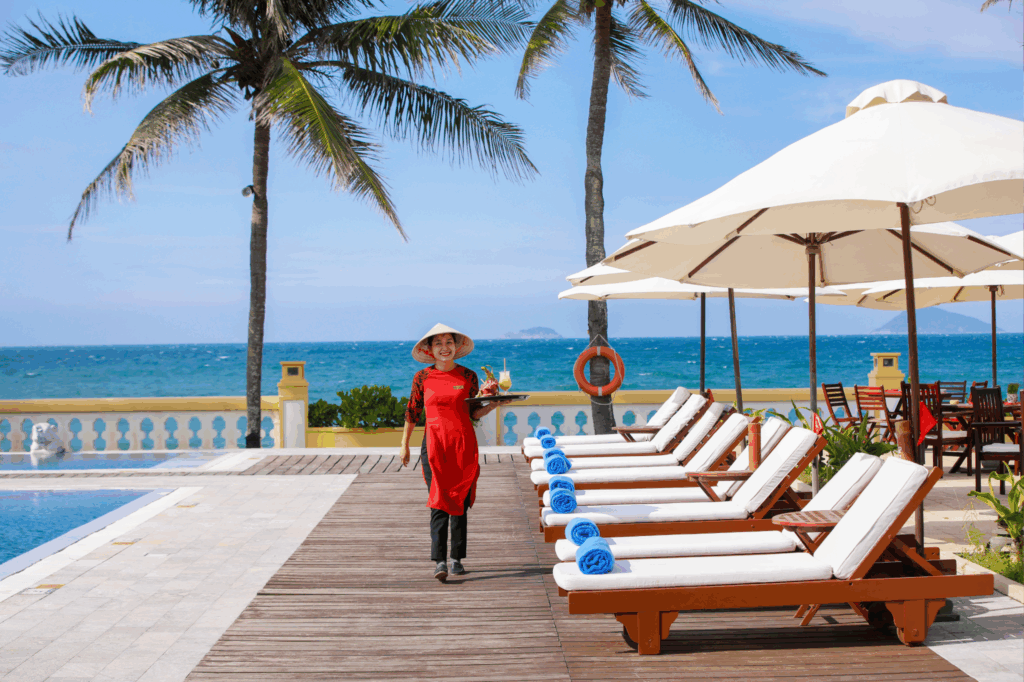
Victoria Hoi An Beach Resort & Spa
For those who want to feel the soul of Central Vietnam without sacrificing an ounce of comfort, the Victoria Hoi An Beach Resort & Spa is a standout choice. This resort is designed to resemble a traditional Vietnamese fishing village and sits in a prime location between the Thu Bon River and Cua Dai Beach. It offers a free shuttle into the heart of Hoi An’s Ancient Town making cultural experiences readily accessible.
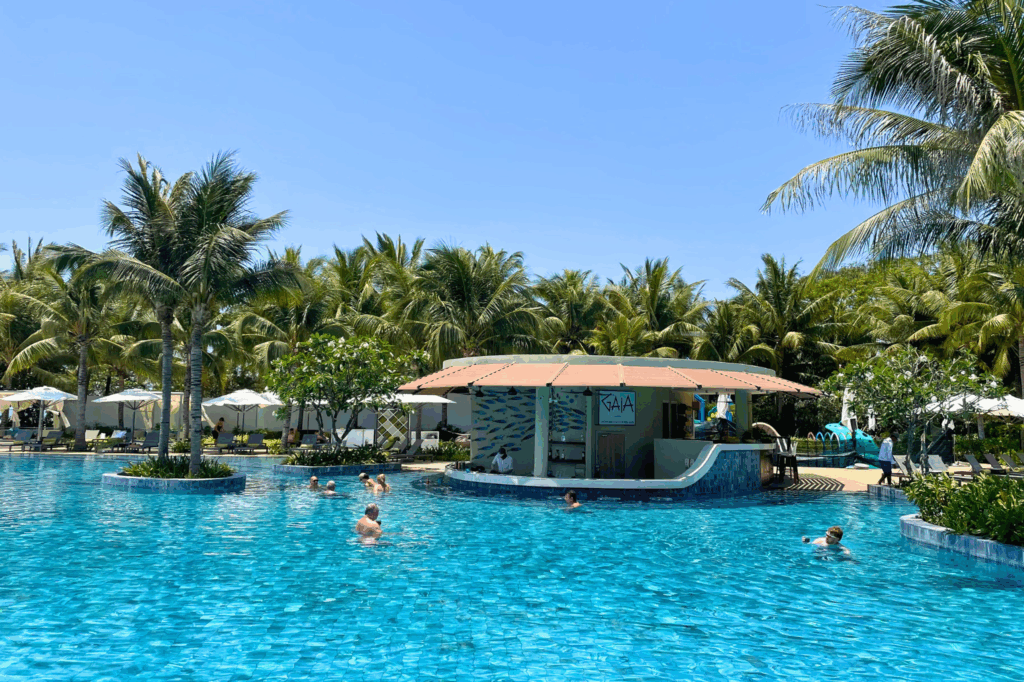
Melia Ho Tram Beach Resort
If your idea of a perfect holiday involves sophisticated, modern luxury, the Melia Ho Tram Beach Resort in Southern Vietnam is your sanctuary. Located just a few hours’ drive from Ho Chi Minh City, it is famous for its stunning villas and “The Level” service. This upgraded experience provides exclusive lounge access and private pool areas for those seeking Vietnam travel packages with a VIP edge.
A Taste of History on Your Plate
Vietnamese cuisine is world-renowned for its freshness, using minimal oil and maximum herbs. It is a masterclass in balancing the five fundamental tastes: spicy, sour, bitter, salt, and sweet. Because the country is so long, the food changes significantly as you travel, making every stop a new culinary adventure.
- Pho (A National Staple): This aromatic noodle soup is the soul of Vietnam. It originated in the North, and in Hanoi, you will find it served with a clear, savoury broth and wider noodles. It is a breakfast staple, influenced by Chinese rice noodles and French beef stew methods.
There are two major variations of the dish, being Northern and Southern style. The original Northern variation is a stripped back and simple dish consisting of a clear savoury broth, green onion, coriander, garlic and chilli. The Southern style is made with a thicker, cloudier broth with elements of both sweet and savoury and can include dressings of bean sprouts, hoisin sauce, and a variety of chillis and fresh herbs. Later innovations such as additional meat, spices and lime are also widely credited to the South. - Banh Mi: The ultimate fusion food. This crunchy baguette was introduced by the French, but the Vietnamese made it their own by filling it with local pâté, pickled daikon, carrots, cucumber, and fresh chili. It is arguably the best cheap lunch you can have.
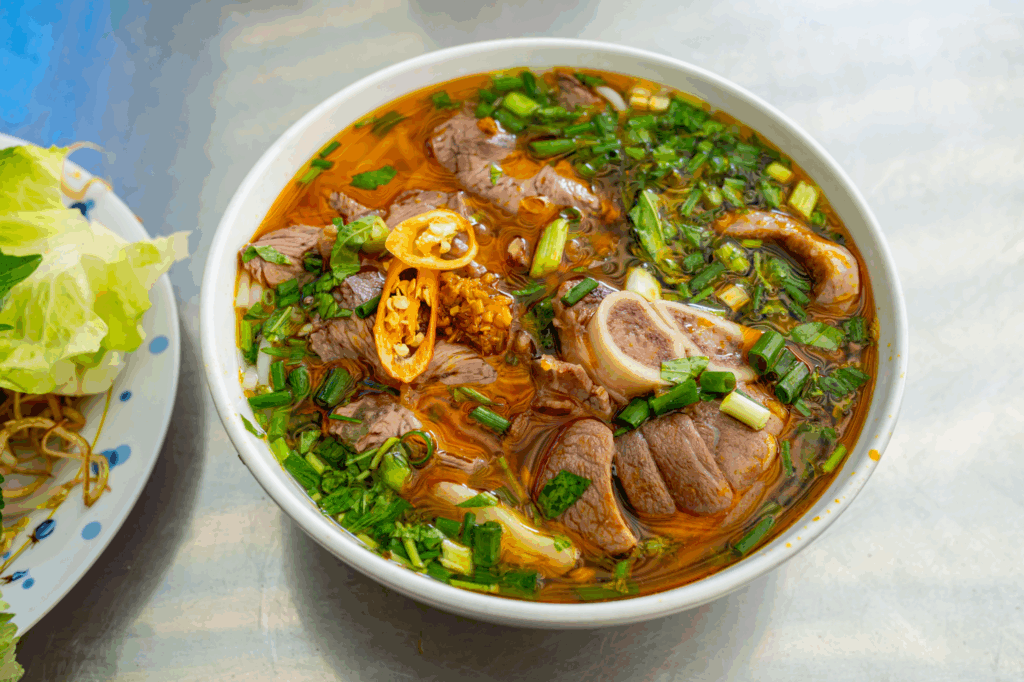
- Bun Bo Hue: If you like a bit of a kick, this spicy beef noodle soup from the former imperial capital, Hue, is a must-try. It is much bolder and more robust than Pho, featuring thick cylindrical noodles and a broth flavoured with lemongrass and shrimp paste.
- Cao Lau: You can only find this dish in Hoi An. It features thick, chewy noodles that are traditionally made using lye water. It is topped with shredded or sliced pork or shrimp, crispy fried noodles and fresh herbs.
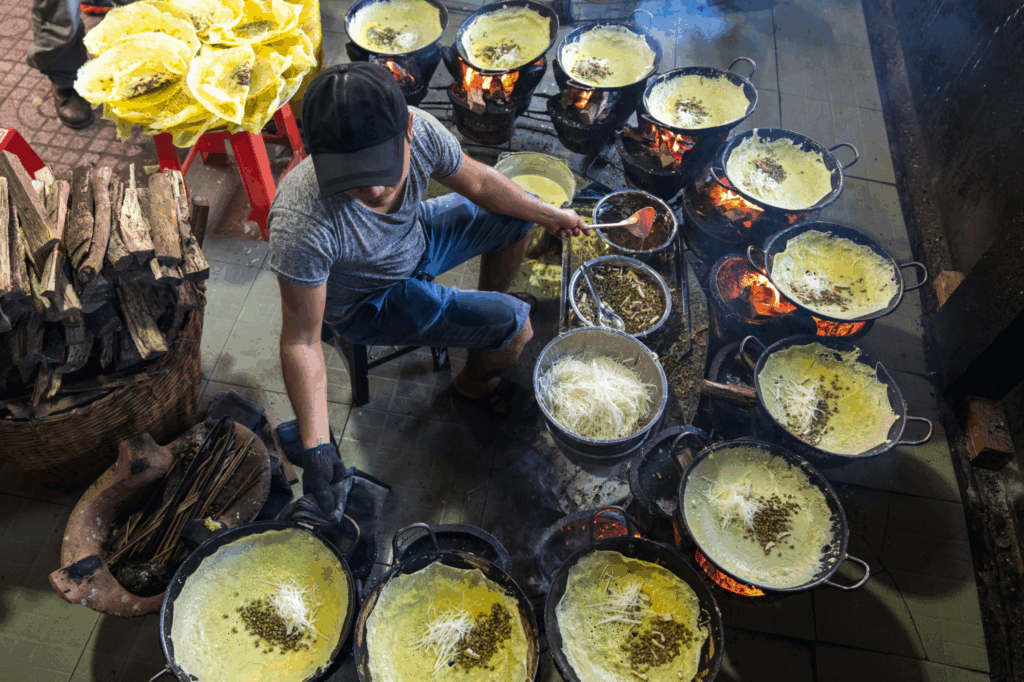
- Banh Xeo: These “sizzling pancakes” are a national favourite and have fed the workforce of Vietnam since its inception. They are giant, savoury crepes made from rice flour and turmeric, stuffed with pork or prawns, and bean sprouts. The dish is served alongside lettuce, herbs and pickled vegetables. Its origins are disputed with some claiming it as a Central Vietnamese invention while others believe it to be another culinary innovation from the South along with colonial and immigrant influences.
- Fresh Spring Rolls (Goi Cuon): A healthy staple packed with lettuce, mint, vermicelli, shrimp, and pork. They are a perfect balance of textures and temperatures.
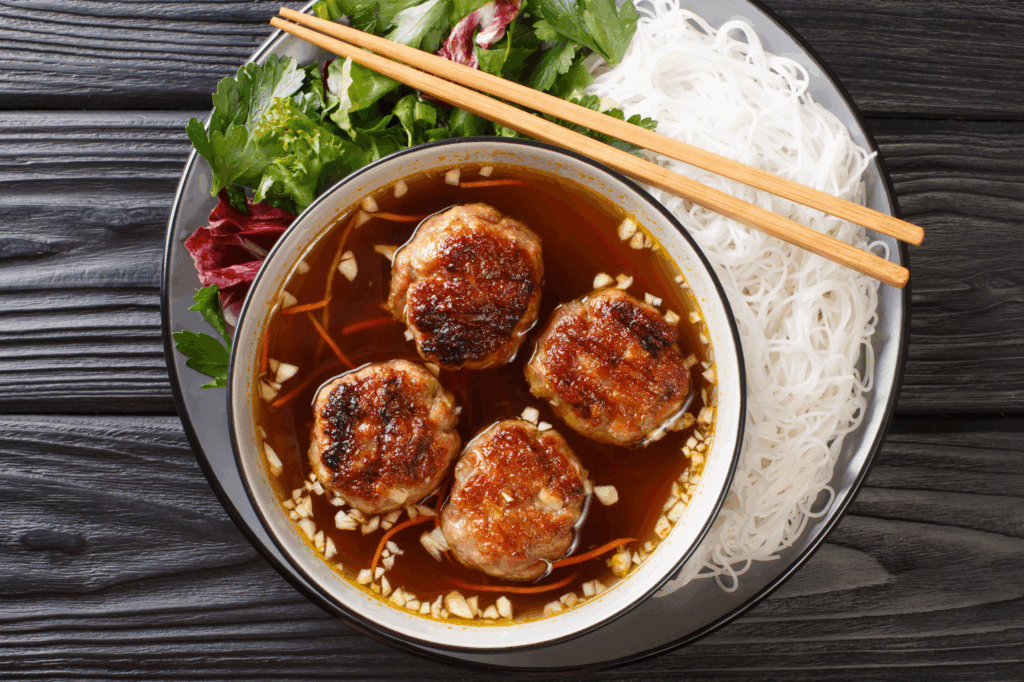
- Bun Cha: Charcoal-grilled pork patties served with vermicelli noodles and a warm dipping sauce. It is smoky, sweet, and incredibly satisfying. This dish became a global sensation after the iconic meeting of Anthony Bourdain and President Barack Obama, where they shared a bowl at Bún chả Hương Liên in Hanoi while filming an episode of Parts Unknown in 2016.
Ready to Start Planning?
Vietnam is a destination that rewards the curious and leaves you wanting more. By booking one of our Vietnam holiday deals, you can ensure your first trip is as smooth and enjoyable as possible. From finding the perfect flights to choosing a resort that fits your style, Hoot Holidays is here to help you create an unforgettable itinerary.
Explore our latest Vietnam holiday packages and get ready to discover the magic of Southeast Asia.